In this post, we will explain how to make your website appear in Google search results and explore the reasons that might prevent it from appearing in these search results.
This is a concise and focused post, so let’s dive straight into the matter and go over several possible factors that can hinder your website from showing up on Google. But first, let’s make sure whether your site appears in search results or not…
Quick Tips for Getting Indexed:
- Verify site index status with
site:search - Submit a sitemap in Google Search Console
- Check for “noindex” tags and robots.txt issues
- Inspect for potential crawl errors
- Boost site authority with inbound links
How to Check if Your Site Appears in Google Search Results?
To check if your site is indexed by Google, you can perform a search of type site: for your homepage’s URL or the main domain of your site. If results are displayed, your site is included in Google’s index.
It’s recommended to first turn off “Safe Search” as it might filter your site in cases of automated content.
For example, the search site:savvy.co.il on Google will return the following results. If this check doesn’t return any results, then your site is not indexed by Google, and there can be several reasons for that.
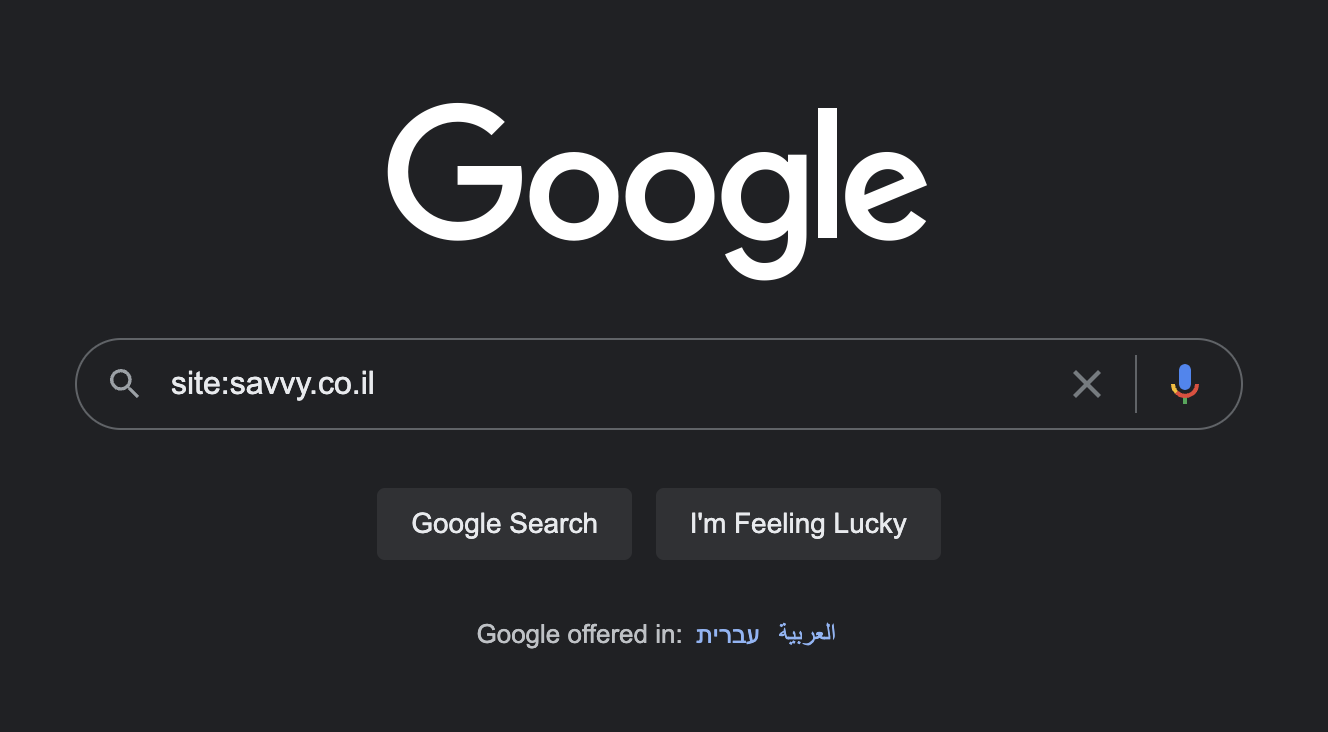
Note that there should be no space between the colon and the domain name…
Possible Reasons Your Site Doesn’t Appear on Google
Google’s crawler (Googlebot) regularly goes through millions of pages but might miss certain sites or face challenges while scanning specific sites. There can be various reasons for your site not appearing in the index, but generally, these are the main reasons you might encounter:
- Your site was recently launched, and Google hasn’t had time to scan it yet. Google recommends waiting at least a week after requesting a scan or submitting a sitemap before drawing conclusions.
- An error occurred while Google attempted to scan your site.
- Your site’s URLs have a
noindextag or your robots.txt file instructs Google not to scan your site. - In WordPress, the “Discourage search engines from indexing this site” setting under Settings > Reading is checked. This adds a
noindexmeta tag to every page and blocks crawlers viarobots.txt. - Your site’s structure hinders Google’s efficient scanning of its content.
- Your site has duplicate content issues or thin/low-quality content that Google chooses not to index.
- There are very few inbound links leading to your site from other websites on the internet.
- Regarding the previous point, it’s worth noting that it’s not mandatory to have inbound links for Google to discover your site. We won’t elaborate on the reasons, but one of them is that Google itself maintains a domain registry.
- Google temporarily or permanently removed your site due to their evaluation, indicating that the site doesn’t align with Google’s guidelines (or due to ownership or legal reasons).
- Other Technical Issues.
About the noindex tag – take a look at the page’s source code and search for the word “noindex”.
How to Make Your Site Appear in Google’s Index
In principle, for your site to appear in Google search results, you don’t need to take any specific action since Google is an automatic search engine that continuously scans the internet. In fact, the majority of sites in search results weren’t manually submitted but were added automatically during scanning.
However, if your site still doesn’t appear in Google search results, you can request its addition in two ways:
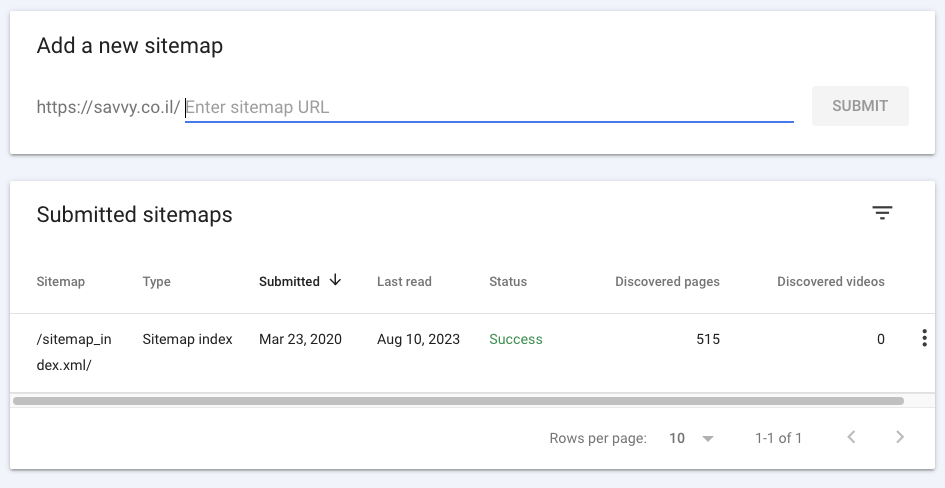
1. By adding your site’s sitemap in the Search Console (XML Sitemap).
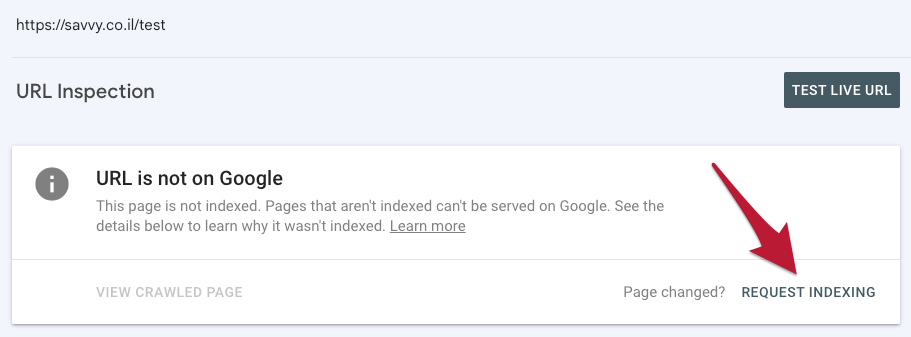
2. By using the URL Inspection tool in the Search Console to request Google to crawl and index a specific URL.
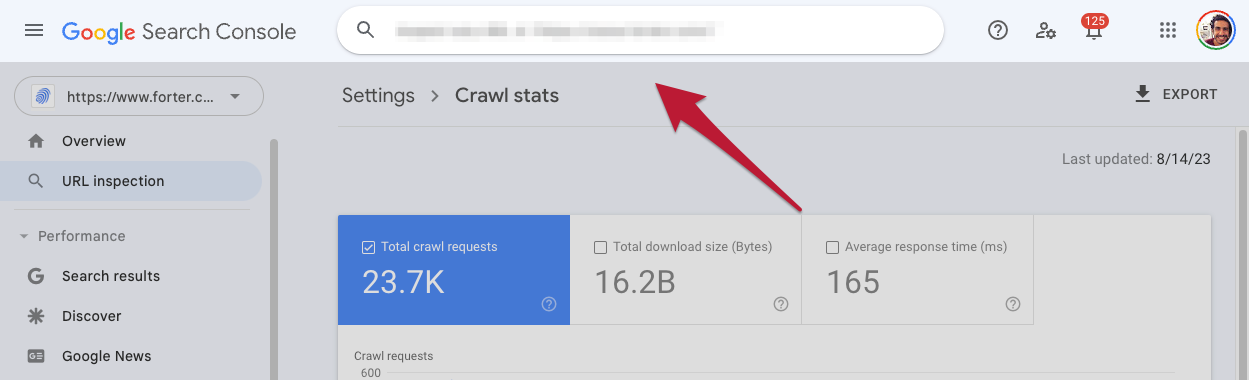
If you’re not familiar, the Google Search Console is a free toolbox that allows you to submit your content to the index. Additionally, the Search Console provides insights into your content’s performance, alerts you to critical issues encountered during site scanning, and offers various options related to the visibility of your site in Google search results.
It’s highly recommended for every website owner to utilize this tool to gather information and take actions related to their site, especially those related to SEO and the visibility of their site in Google search results.
Additional Checks Worth Performing
If after submitting your sitemap and requesting indexing your site still doesn’t appear, verify the following:
- Make sure your site is using SSL (HTTPS). While not strictly required for indexing, Google has confirmed HTTPS as a ranking signal and may prefer secure pages.
- Check your site’s loading speed. Very slow sites may get crawled less frequently because Google allocates a limited crawl budget to each site.
- Review the Coverage (or Pages) report in Google Search Console for specific errors, excluded pages, or pages discovered but not indexed.
- Verify that your canonical URLs are set correctly. Incorrect canonical tags can tell Google to ignore certain pages.
- Check for manual actions in Google Search Console under Security & Manual Actions. A manual penalty can remove your site from search results entirely.
What if there is some Technical Issue?
In cases where, after all these actions, the website still does not appear in Google, there may be some technical issue. If you lack knowledge in technical SEO, I suggest you seek help from a professional specializing in this field, especially if it concerns e-commerce sites or complex websites.
Frequently Asked Questions
site:yourdomain.com on Google (no space after the colon). If results appear, your site is indexed. If nothing shows up, your site is not in Google's index. For a more detailed view, check the Pages report in Google Search Console, which shows exactly which URLs are indexed and which are excluded.noindex meta tag to all pages and modifies robots.txt to block crawlers. This is commonly used during development and sometimes left on by accident after launch - always verify this setting after going live.noindex meta tag or X-Robots-Tag: noindex HTTP header tells Google not to include the page in its search results. This can be set at the page level by your SEO plugin (like Yoast or Rank Math), in your theme code, or globally via the WordPress "Discourage search engines" setting. Check the page source code and search for "noindex" to verify.robots.txt blocks Google from crawling pages, but it doesn't prevent indexing. If other sites link to a page blocked by robots.txt, Google may still index the URL (showing it with no description in results). To truly prevent indexing, use a noindex meta tag instead. However, a robots.txt that blocks Googlebot entirely will prevent it from discovering your site's content.noindex tag was accidentally added (often after a site update or migration), your robots.txt was changed to block Googlebot, your site experienced prolonged downtime and Google removed it from the index, a manual action was applied due to a policy violation, or your site was hacked and Google detected harmful content. Check Google Search Console for specific errors and alerts.If you have any questions, feel free to ask in the comments section. Good luck!